African mango is a fruit tree from western and central Africa, and its seed extract is used in supplements. This guide covers the tree, what the small human studies found, how well the extract is tolerated and where it sits on the Sugar Reset label.

Editorial disclosure: sugar-reset.org is an independent guide and is not the manufacturer, distributor or seller of Sugar Reset. It contains affiliate links, and we may earn a commission if you purchase through them, at no extra cost to you. These statements have not been evaluated by the Food and Drug Administration. Sugar Reset is not intended to diagnose, treat, cure, or prevent any disease. Consult a healthcare professional before use.
African mango (Irvingia gabonensis) is a fruit-bearing tree native to western and central Africa, the NIH Office of Dietary Supplements explains. Supplements use an extract of its seed. Despite the name, it is a different tree from the common mango sold in supermarkets.
Human trials of the extract are few, and all are small. They suggest possible modest reductions in body weight and waist size, and the NIH Office of Dietary Supplements says larger trials are needed before firm conclusions can be drawn.
NIH ODS fact sheet"Irvingia gabonensis extract appears to be well tolerated," the same fact sheet says. The mild effects reported in studies include headache, trouble sleeping and gas. As with any supplement, check with a doctor first if you take medicine.
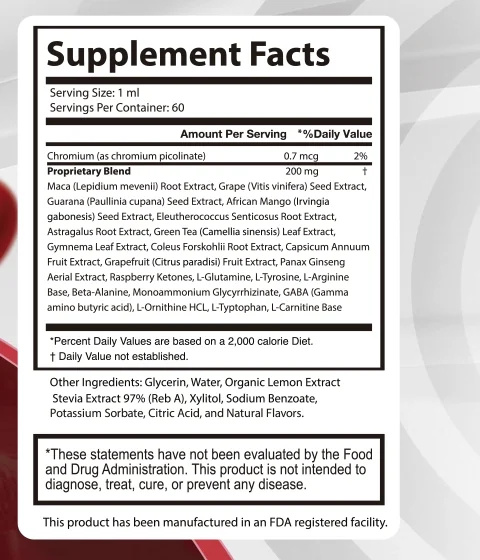
NIH ODS fact sheetThe label prints it as "African Mango (Irvingia gabonesis) Seed Extract", the fourth ingredient of the 200 mg proprietary blend, after maca, grape seed and guarana. Because blend ingredients are listed by weight, it is among the larger shares of the blend; the label does not print its amount.
The sales page lists African mango among the six ingredients it describes in detail. All 23 ingredients are on the Sugar Reset ingredients page. To see the packs, use the Sugar Reset order page.
An extract of the seed of Irvingia gabonensis, a fruit-bearing tree native to western and central Africa.
No. Despite its name, Irvingia gabonensis is a different tree from the common mango.
The NIH Office of Dietary Supplements says it appears to be well tolerated, with mild effects such as headache, trouble sleeping and gas reported in studies. Check with a doctor first if you take medicine.
The few human trials, all small, suggest possible modest reductions in body weight and waist size, and the NIH Office of Dietary Supplements says larger trials are needed.
The label lists African mango seed extract fourth in the 200 mg proprietary blend, without its own amount.
Sugar Reset comes in packs of 2, 3 or 6 dropper bottles. The 3- and 6-bottle packs ship free, and the order page states a 60-day money-back guarantee. Step-by-step help is in the Sugar Reset buying guide.
Go to the Sugar Reset Order PageThis site uses Google Analytics cookies to count visits. See the privacy policy.