Independent guide, not the official Sugar Reset website. Order links on this site are affiliate links.
Home / Gymnema Leaf Extract
Ingredient guide · November 2026

Gymnema Leaf Extract: The Gur-mar Vine, Explained

Gymnema is a climbing vine whose leaves have a long history in traditional medicine and an unusual effect on the taste of sweet foods. This guide covers the plant, its names, what a 2007 review and the NIH LiverTox database say about it, and where it sits on the Sugar Reset label.

Climbing vineTraditional useSweet-taste effectLiverTox notes
See Sugar Reset Packs All Sugar Reset Ingredients
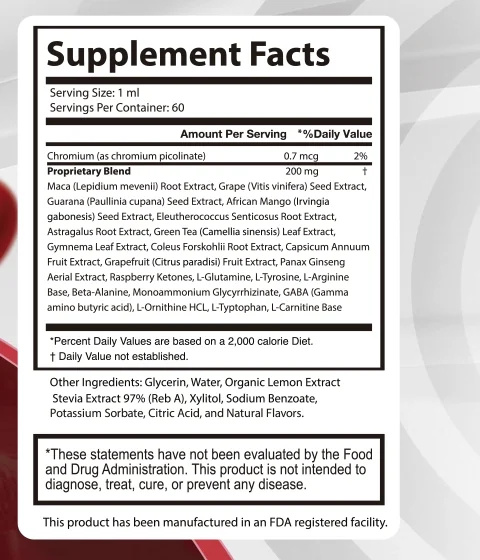
Sugar Reset Supplement Facts panel with gymnema leaf extract in the blend

Editorial disclosure: sugar-reset.org is an independent guide and is not the manufacturer, distributor or seller of Sugar Reset. It contains affiliate links, and we may earn a commission if you purchase through them, at no extra cost to you. These statements have not been evaluated by the Food and Drug Administration. Sugar Reset is not intended to diagnose, treat, cure, or prevent any disease. Consult a healthcare professional before use.

The plant

What Is Gymnema Leaf Extract?

Gymnema (Gymnema sylvestre) is a perennial, tree-climbing vine with small yellow flowers, native to Asia, Africa and Australia. Its leaves have been used extensively in traditional medicine, and leaf extracts have become popular in the United States in recent years, the NIH LiverTox database notes. A gymnema leaf extract is made from those leaves.

Where it grows

A 2007 review describes gymnema as a slow-growing, woody climber of central and peninsular India, also found in tropical Africa and Australia.

Gymnema review, 2007 (PMC)

Its names

In Hindi the plant is called gur-mar, and in Sanskrit madhunashini, among other regional names listed in the same review.

Gymnema review, 2007 (PMC)

In traditional systems

The review notes that gymnema is used in folk, Ayurvedic and homeopathic systems of medicine.

Gymnema review, 2007 (PMC)
The sweet-taste effect

Gymnema and the Taste of Sweet Foods

The best-known property of gymnema leaf is what it does on the tongue. The 2007 review explains that gurmarin, a peptide in the leaf, interferes with the ability of the taste buds to taste sweet and bitter, and that gymnemic acid has a similar effect. That is behind the plant's reputation, and behind the name the Sugar Reset sales page gives it, "sugar destroyer" of Ayurvedic medicine.

Gymnema review, 2007 (PMC)
Safety

Is Gymnema Safe?

In small, short-term clinical studies of different gymnema preparations, side effects were usually described as uncommon and minimal, the NIH LiverTox database reports, while longer use and higher doses have not been assessed in people. LiverTox also records rare, isolated reports of liver injury with products containing gymnema, noting that the link to the herb was usually weak. As with any herb, check with a doctor first if you take medicine or have a known medical condition.

NIH LiverTox: Gymnema
In Sugar Reset

Gymnema Leaf Extract in Sugar Reset

On the label

"Gymnema Leaf Extract" is the eighth ingredient of the 200 mg proprietary blend, after green tea leaf extract and before coleus forskohlii root extract. The label does not print its amount.

More on the formula

The full list of 23 ingredients, with a source for each, is on the Sugar Reset ingredients page, and the safety notes on the side effects page. To see the packs, use the Sugar Reset order page.

Q&A

Gymnema Leaf Extract: Questions and Answers

What is gymnema?

Gymnema sylvestre, a perennial, tree-climbing vine native to Asia, Africa and Australia, whose leaves have long been used in traditional medicine.

What does gur-mar mean?

Gur-mar is the plant's Hindi name. The Sugar Reset sales page calls gymnema the "sugar destroyer" of Ayurvedic medicine.

Does gymnema change how sweet food tastes?

A 2007 review explains that gurmarin, a peptide in the leaf, and gymnemic acid interfere with the ability of the taste buds to taste sweet and bitter.

Is gymnema safe?

In small, short-term studies side effects were usually uncommon and minimal, according to NIH LiverTox, which also records rare liver reports with a usually weak link to the herb. Check with a doctor first if you take medicine.

Where does gymnema grow?

In central and peninsular India, and in tropical Africa and Australia.

How much gymnema is in Sugar Reset?

The label lists gymnema leaf extract in the 200 mg proprietary blend without its own amount; it is the eighth of 22 blend ingredients.

See the Sugar Reset Packs

Sugar Reset comes in packs of 2, 3 or 6 dropper bottles. The 3- and 6-bottle packs ship free, and the order page states a 60-day money-back guarantee. Step-by-step help is in the Sugar Reset buying guide.

Go to the Sugar Reset Order Page