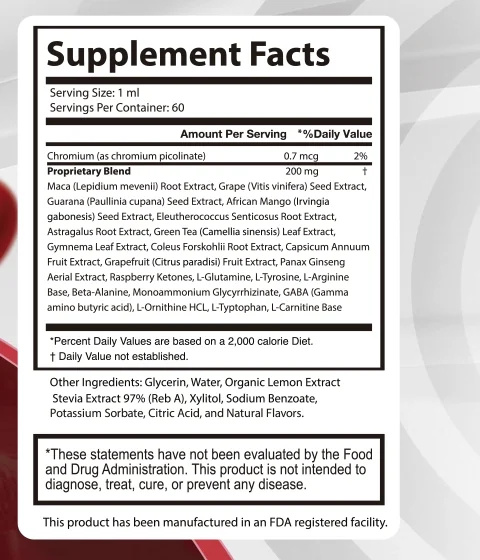
The Six Sugar Reset Ingredients the Official Page Describes
The sales page singles out six ingredients and explains each in its own words. Here is what public health sources say about the same six. They describe each ingredient on its own, not the Sugar Reset formula.
Chromium picolinate
Chromium is a mineral found in meats, grain products, vegetables, fruit, juices and nuts. The NIH Office of Dietary Supplements lists chromium picolinate and chromium chloride among the forms used in supplements, and says chromium from food and supplements "does not appear to cause any harm, but research is limited". Full notes in the chromium picolinate guide.
NIH ODS: ChromiumGymnema leaf extract
A woody climbing plant of central and peninsular India whose Hindi name is gur-mar. A 2007 review describes gurmarin, a peptide in the leaf, and gymnemic acid as compounds that interfere with the taste of sweet and bitter. Full notes in the gymnema guide.
Gymnema review, 2007 (PMC)African mango seed extract
From the seed of Irvingia gabonensis, a fruit-bearing tree native to western and central Africa. Human trials so far are few and small, the NIH Office of Dietary Supplements notes, and the extract appears to be well tolerated. Full notes in the African mango guide.
NIH ODS fact sheetGreen tea leaf extract
Green tea contains catechins, such as EGCG, and caffeine. NCCIH reports no safety concerns for green tea as a drink for adults and notes that liver problems, while uncommon, have been reported with concentrated extracts in pill form.
NCCIH: Green teaMaca root extract
Maca grows in the central Andes between 4,000 and 4,500 m, where the people of the Peruvian highlands dry the root and eat it as a food. It is the first ingredient in the Sugar Reset blend, so the largest share by weight.
Maca review, 2012 (PMC)Panax ginseng aerial extract
Also called Asian, Korean or Chinese ginseng. NCCIH says the root is the part most often used; the Sugar Reset label specifies an aerial extract, made from the parts above ground. Trouble sleeping is the herb's most common side effect, according to NCCIH.
NCCIH: Asian ginseng